
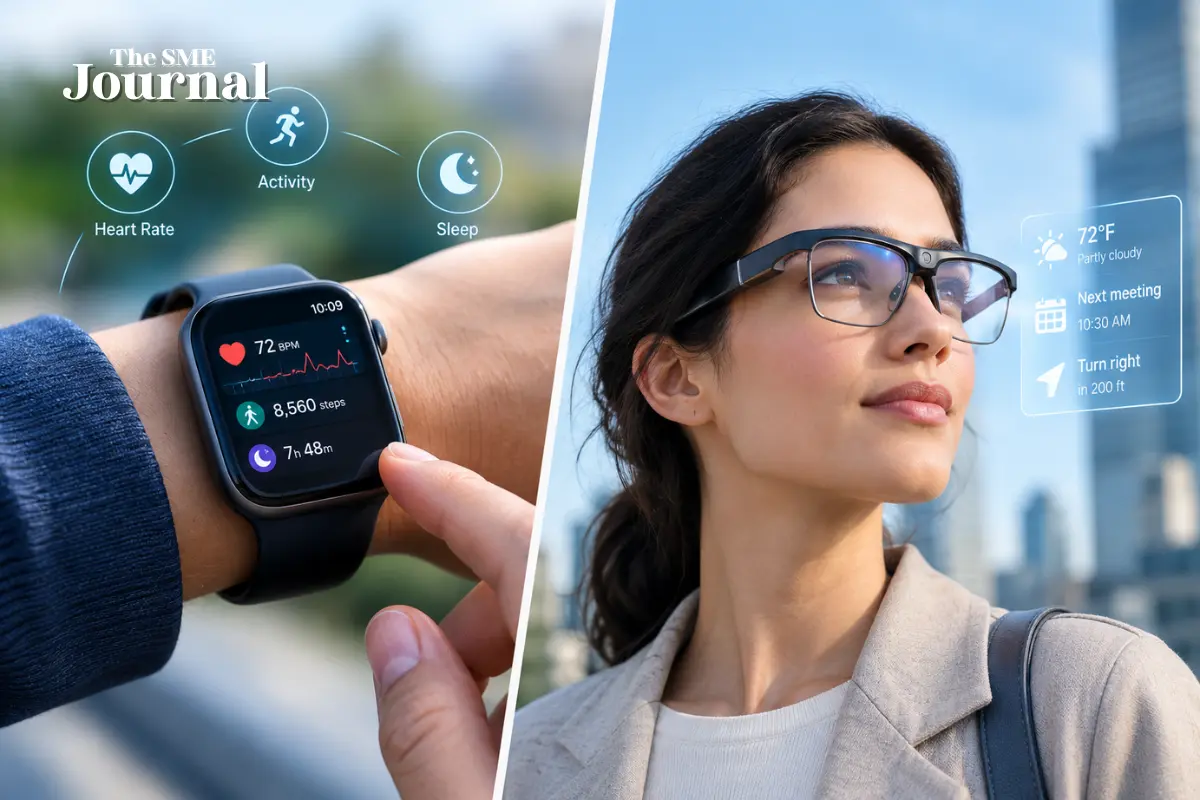
Wearable technology is moving beyond simply counting steps and checking notifications. Smartwatches, rings, glasses and other connected devices are increasingly becoming everyday tools that can understand more about their users and provide information at the right moment.
One of the clearest examples is Apple’s latest smartwatch lineup. The company introduced the Apple Watch Series 12 and Apple Watch Ultra 4 in September 2026, bringing stronger health monitoring and new AI-powered features to its wearable ecosystem. The devices use Apple’s newer S11 chip and watchOS 27 to support features including Siri Recap, real-time transcription and translation, and new health insights.
Wearables Are Becoming More Than Fitness Trackers
For years, people mostly bought smartwatches to count steps, track workouts or receive phone notifications. That is changing.
Apple's latest watches are designed to collect more health and activity information and turn it into easier-to-understand insights. The new Health app includes features such as Health Age and Readiness Score, while the updated sensor system is designed to provide more frequent heart-rate monitoring.
The bigger change is how that information is presented. Instead of forcing users to study charts and numbers, AI-powered features can help summarize information and make wearable technology feel more conversational.
Smart Glasses Are Taking Wearables in Another Direction
While smartwatches remain popular, smart glasses are attracting growing attention.
At IFA 2026, smart glasses were among the wearable technologies receiving significant attention, alongside smart rings and exoskeletons.
Meta is also reportedly preparing a new camera-free version of its smart glasses, internally known as Luna. According to Reuters, the move comes as privacy concerns surrounding camera-equipped wearable devices continue to grow. The reported glasses would focus on voice interaction and AI while removing the camera.
That change highlights an important issue for the wearable industry: people want technology that is useful, but they also want to feel comfortable wearing it around other people.
Privacy Is Becoming Part of the Product
The rise of smart glasses has made privacy one of the industry's biggest challenges.
Wearable devices can collect information through cameras, microphones, location services and health sensors. That can make them powerful, but it also means companies need to think carefully about how personal information is collected and used.
Recent restrictions on AI smart glasses in some public facilities in Australia show how quickly privacy concerns can affect where wearable devices are accepted.
For manufacturers, this means privacy can no longer be treated as something added after a product is designed. It is increasingly becoming part of the product itself.
The Wearable Market Is Moving Toward AI
The industry is also expanding beyond watches and glasses. Smart rings are gaining attention because they can provide health and activity tracking in a smaller, less noticeable form. At the same time, manufacturers are experimenting with new wearable formats and AI-enabled devices.
This shift suggests that the next generation of wearables may not necessarily look like traditional gadgets. Some could resemble ordinary jewelry, glasses or clothing while quietly collecting information and responding to users.
What It Means for Consumers and Businesses
For consumers, wearable technology is becoming more personalized. A watch or ring can increasingly act as a health monitor, communication tool and AI assistant rather than simply an accessory connected to a smartphone.
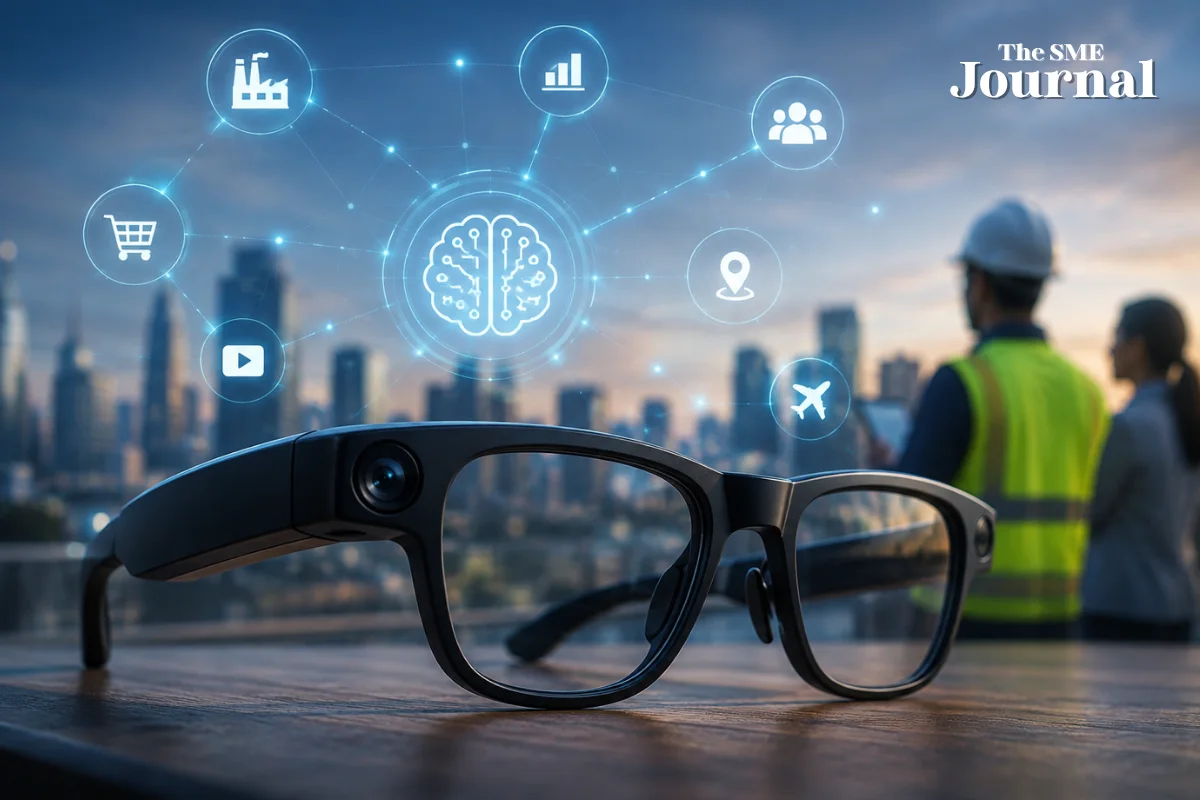
For businesses, the opportunity is equally significant. Wearables can create new possibilities in healthcare, fitness, workplace productivity, retail and accessibility.
But the industry's growth will depend on more than better sensors and smarter AI. Trust, privacy, battery life and the quality of the information provided to users will remain just as important.
The future of wearable technology may ultimately be less about putting more technology on the body and more about making that technology useful enough that people barely notice it is there.
Frequently Asked Questions
1. What is wearable technology?
Wearable technology includes smart devices worn on the body, such as smartwatches, smart rings, smart glasses and fitness trackers.
2. How is AI changing wearable technology?
AI is helping wearables analyze health and activity data, provide personalized insights, assist with communication and offer more natural interactions.
3. What are the most popular types of wearable devices?
Smartwatches, fitness trackers, smart rings and smart glasses are among the most widely discussed wearable technologies.
4. Are wearable devices safe for personal data?
Wearables can collect sensitive information such as health, location and activity data. Users should review privacy settings and understand how manufacturers handle their information.
5. How could wearable technology benefit businesses?
Wearables can create opportunities in areas such as healthcare, fitness, workplace productivity, accessibility, retail and customer engagement.








.webp)