
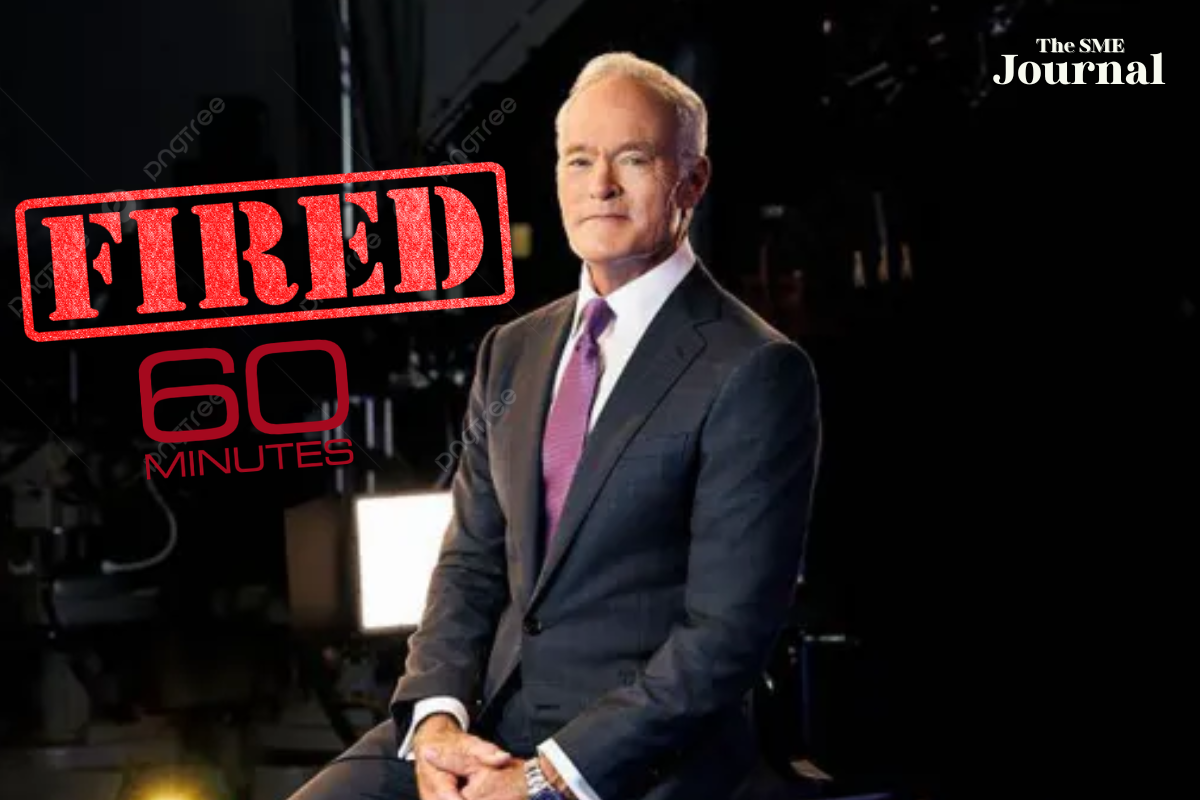
The turmoil engulfing CBS News reached a dramatic new chapter this week when veteran journalist Scott Pelley was dismissed from "60 Minutes" following a public confrontation with the program's newly appointed leadership.
Pelley's departure, effective immediately, came one day after a contentious staff meeting in which the longtime correspondent sharply criticized new executive producer Nick Bilton and CBS News editor-in-chief Bari Weiss. Multiple reports indicate that Pelley accused Weiss of "murdering" the iconic newsmagazine and questioned Bilton's qualifications to lead one of television's most respected journalism franchises.
The firing marks the latest development in a period of extraordinary upheaval at CBS News. Pelley, 68, becomes the fourth on-air journalist to leave "60 Minutes" since February, following the departures of Sharyn Alfonsi, Cecilia Vega, and Anderson Cooper. The exits have fueled concerns inside the network about the future direction of the program as it prepares for its 59th season.
A Clash Over the Future of "60 Minutes"
According to reports, tensions erupted during Bilton's first staff meeting as executive producer. Pelley reportedly challenged the leadership changes implemented under Weiss, who was appointed editor-in-chief following sweeping corporate changes at CBS News. Witnesses described the exchange as one of the most confrontational moments in the program's recent history.
In a termination letter cited by several media outlets, Bilton accused Pelley of undermining leadership and disrupting the meeting, describing the veteran journalist's remarks as hostile and unprofessional.
A Career Defined by Journalism
Pelley's departure ends a 37-year career at CBS News. Since joining the network in 1989, he has served as a White House correspondent, reported from conflict zones around the world, anchored "CBS Evening News," and become one of the signature correspondents of "60 Minutes."
Over the course of his career, Pelley earned dozens of Emmy Awards and built a reputation for rigorous reporting and tough interviews, making him one of the most recognizable figures in American broadcast journalism.
Allegations of Editorial Pressure
Following his dismissal, Pelley publicly criticized CBS leadership, alleging that network executives had compromised journalistic standards and bowed to political pressures. He also claimed that management sought changes to editorial content that he considered inconsistent with traditional newsroom values. CBS executives have rejected suggestions that political considerations are influencing editorial decisions.
The dispute reflects a broader debate playing out across the media industry: how legacy news organizations balance editorial independence, corporate ownership, audience demands, and political scrutiny in an increasingly polarized environment.
Uncertain Future for a Television Institution
With several prominent correspondents and senior producers now gone, questions remain about how "60 Minutes" will evolve under its new leadership. Supporters of the changes argue that modernization is necessary to reach digital audiences, while critics fear the program risks losing the journalistic identity that made it a cornerstone of American television news.
As CBS News moves forward, the battle over the future of "60 Minutes" has become more than a personnel dispute. For many inside and outside the newsroom, it represents a larger struggle over the role of journalism, editorial independence, and corporate influence in the modern media era.
1. Who is Bari Weiss?
A: A journalist and founder of The Free Press who currently serves as CBS News editor-in-chief.
2. How long did Scott Pelley work at CBS News?
A: He worked at CBS News for 37 years.
3. Who remains at "60 Minutes"?
A: Lesley Stahl, Bill Whitaker, and Jon Wertheim remain among the program's correspondents.
4. What does this controversy highlight?
A: Growing tensions between journalistic independence and corporate leadership in modern media.
5. What could be next for Scott Pelley?
A: He is expected to pursue opportunities in journalism, media, or public commentary.









.webp)